I onced read that, since we spend almost half of our lives sleeping, dreams could be considered as an alternate reality. The interesting thing about sleep is that it accomplishes more than biological functions. I have, time and time again, gone to sleep when I feel particularily world-weary. This is another function of sleep, a shelter from reality.
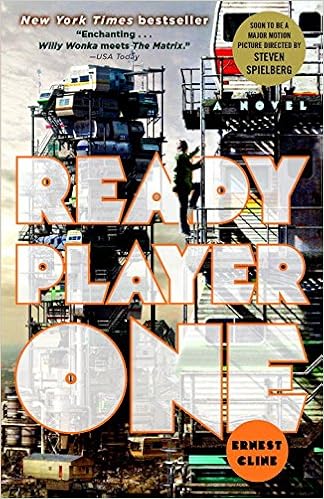
Ready Player One confronts us with a very interesting idea with a most interesting plot device: the Red Herring. OASIS is presented as a paradise for geeks and freaks, the only place where your useless trivia is worth something, and for the so-called "gunters" it even presents a sense of purpose. If we look at the dystopian future where RP1 takes place, we can see the existential need of the characters for the OASIS.
RP1's world is an unusual brand of dystopia, freedom exists but not the means to pursue it. That is unless we consider the OASIS. At first sight, OASIS looks like the solution to a boring stagnant life. An alternate reality where you can be whoever you want, have the powers you always dreamt of, and pretty much do anything you've ever wished.
OASIS also represents a placebo in a very ill world with very ill people. With no semblance of ambition, hope, or purpose among most of the inhabitants of reality, the simulation proposes a way not to feel stagnant, meaningless, hopeless.
Still, OASIS is a limitant, a shackle, and a prison. It corners its users into thinking that it is the only place that matters, the only place where they can actually fullfill themselves, where they can achieve something of meaning. We need to remember that, as a simulation, the results obtained in the OASIS are completely non-trascendental to reality.
This is where the hunt for the Hallifay's Egg factors in, it offers freedom from this mindset, freedom from OASIS. The means to achieve something of meaning in the real world.
The sad truth is that this "dystopian world" is not a very warped depiction of today's world.
In our culture, our first metric for how happy people are is through their Facebook profile. We even have some sort of mental checklist, they must be happy because they have a job, a higher education, a relationship, hobbies, friends, family, and they are constantly posting about their day to day activities, reminding us that their life is full of meaning and satisfaction.
We want to at least pretend we are happy so we engage in the same behaviors, we share every little aspect of our lives in the hopes of creating a character for ourselves, a proxy of us devoid of all tragedies, demons, and problems that ultimately play a role in definning our real selves.
Ready Player One ultimately asks one very simple questions: "Do we really want to live a life of lies or are we just afraid of reality?"
Ready Player One ultimately asks one very simple questions: "Do we really want to live a life of lies or are we just afraid of reality?"


No hay comentarios:
Publicar un comentario